How to Reduce Driver and Warehouse Staff Shortages Quickly
When a driver doesn’t turn up for a shift, a warehouse team is two people short, or a sudden increase in orders leaves you without enough staff, there isn’t much time for a lengthy recruitment process.
The work still needs to be done.
Vehicles need to leave the depot. Orders need picking and packing. Goods need loading and unloading. Customers still expect deliveries to arrive on time.
For businesses operating in transport, logistics and warehousing, staff shortages can quickly become an operational problem rather than simply an HR issue.
The good news is that there are practical steps employers can take to increase their access to suitable workers quickly – without abandoning the standards they need.
Why are driver and warehouse staff shortages so difficult to solve?
Recruiting logistics staff can be challenging because employers aren’t simply looking for someone who is available to work.
Depending on the role, you may need people with specific licences, qualifications, experience, shift availability or knowledge of particular processes.
Driving roles can require the right licence category, Driver CPC and Digital Tachograph Card, while warehouse positions may require experience with particular equipment or processes.
At the same time, candidates have their own requirements. Location, working hours, pay, shift patterns and the reliability of available work can all influence whether someone accepts a position.
This means that simply advertising a vacancy isn’t always enough.
You need to reach the right people, remove unnecessary delays and make it as easy as possible for suitable candidates to start work.
- Be clear about exactly what you need
When you’re under pressure to fill vacancies, it can be tempting to advertise a very broad job description.
In practice, being specific can help you recruit more effectively.
Before advertising, establish the essentials:
- What qualifications are genuinely required?
- What experience is essential?
- Which skills can be taught?
- What shifts are available?
- When does the role need to start?
- Where is the workplace or depot?
- Is transport to the site available?
- Is the position temporary, ongoing or permanent?
- Are weekend shifts or overtime available?
Separating essential requirements from desirable experience is particularly important.
If someone doesn’t have three years’ experience but has the right attitude, availability and transferable skills, you may be unnecessarily reducing your candidate pool by making every requirement mandatory.
- Use temporary workers to cover immediate gaps
If your permanent recruitment process takes several weeks, temporary workers can provide a useful way to deal with an immediate staffing shortage.
Temporary recruitment can help businesses respond to:
- Seasonal demand
- Unexpected increases in orders
- Staff sickness
- Holiday cover
- New contracts
- Peak trading periods
- Short-term projects
- Ongoing vacancies while permanent recruitment takes place – it doesn’t have to be an either-or decision.
You can use temporary workers to keep operations running while continuing to recruit for permanent positions.
For employers experiencing recurring shortages, temporary recruitment can also provide an opportunity to identify workers who could eventually move into longer-term roles.
- Work with a specialist recruitment agency
If your internal team is spending hours advertising vacancies, reviewing applications and contacting candidates, recruitment itself can become another drain on your resources.
A specialist recruitment agency can take much of that work off your hands.
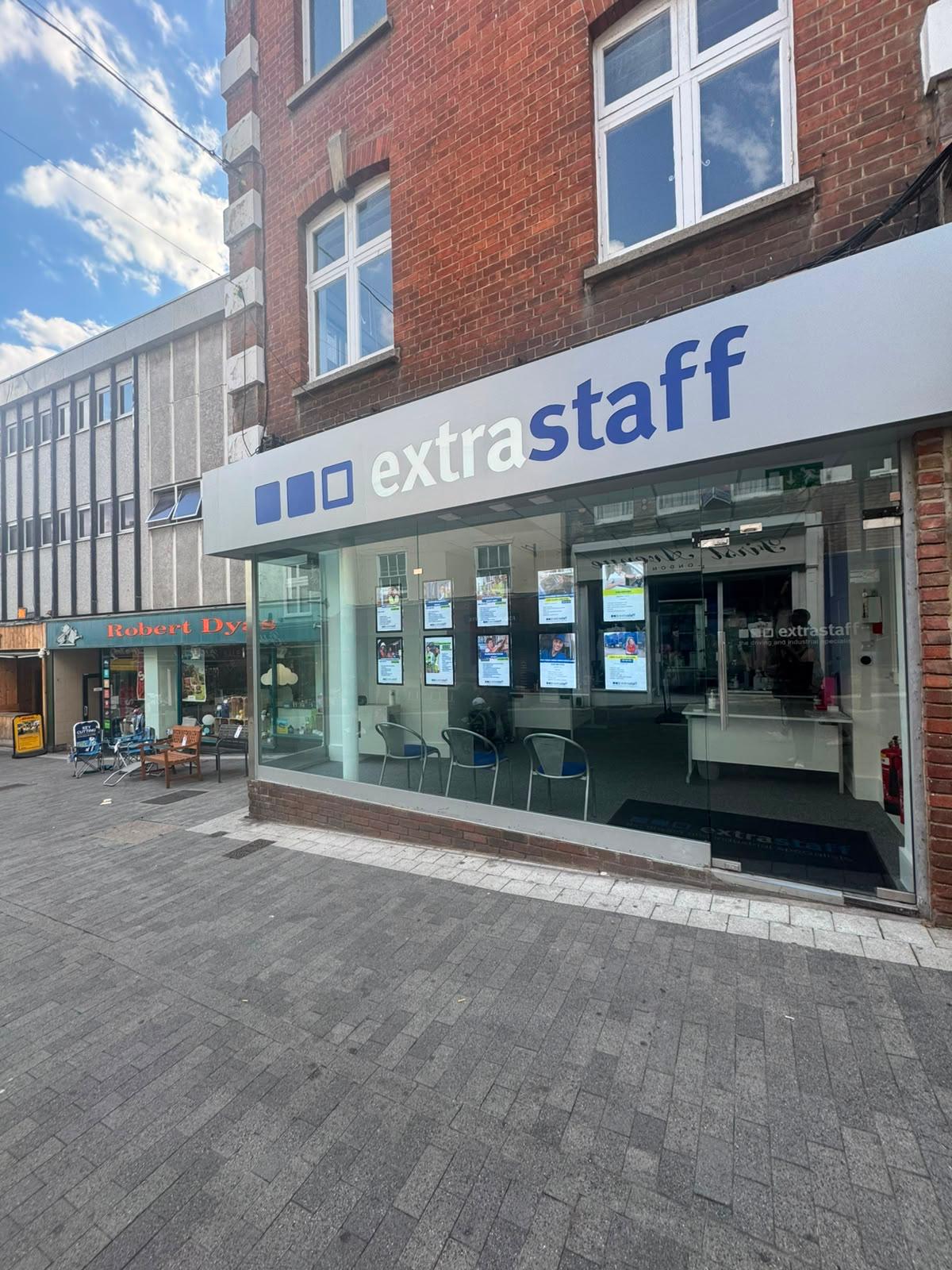
At Extrastaff, our focus on driving and industrial recruitment means our teams understand the practical requirements of these roles. We work with candidates looking for temporary, permanent and contract opportunities across the UK.
That specialist knowledge matters.
A recruiter who understands the difference between a Class 1 and Class 2 driver, or who knows the experience required for different warehouse environments, can have a much clearer conversation with candidates from the outset.
It also means employers can spend more time running their business rather than constantly trying to fill vacancies.
- Make the application process straightforward
A complicated recruitment process can cause good candidates to drop out.
Someone who is actively looking for work may be applying for several positions at the same time. If one employer makes it significantly easier to understand the role and complete the application, candidates may naturally gravitate towards that opportunity.
Look at your own recruitment process from the candidate’s perspective.
Can someone quickly find out:
- What the job involves?
- Where it is based?
- What hours they’ll work?
- What they’ll be paid?
- What qualifications they need?
- When they could start?
- Who they should contact?
The more uncertainty you remove, the easier it is for candidates to make a decision.
- Don’t overlook candidates with transferable skills
A shortage of experienced workers doesn’t necessarily mean there are no suitable candidates.
Sometimes the issue is being too narrow about what “suitable” looks like.
For entry-level warehouse roles, candidates from retail, hospitality, manufacturing, construction or other practical environments may already have useful skills.
They may understand the importance of:
- Punctuality
- Following procedures
- Working as part of a team
- Meeting targets
- Health and safety
- Working under pressure
- Customer service
- Physical work
Some of the job-specific skills can then be developed through appropriate training.
For employers, being prepared to train the right people can significantly widen the available talent pool.
- Consider whether your shift patterns are limiting recruitment
Your vacancy may be difficult to fill because of the hours rather than the work itself.
Early starts, nights and weekend shifts can make certain roles harder to recruit for, particularly if public transport doesn’t operate reliably at those times.
Where possible, review your shift patterns and ask whether there is any flexibility.
For example:
- Could shifts be staggered?
- Can start times be adjusted?
- Can part-time workers cover some hours?
- Could existing staff work overtime temporarily?
- Is there a reliable way for workers to reach the site?
You won’t always be able to change the operation, but understanding what is making a vacancy difficult to fill can help you find a solution.
- Make location part of your recruitment strategy
A job can be attractive on paper but difficult to accept if candidates can’t get to the workplace.
This is particularly relevant for warehouses and distribution centres located on industrial estates or outside town centres.
When advertising, make the location obvious and consider how candidates are likely to travel there.
If your site is difficult to reach by public transport, mention any available transport arrangements or shift-specific solutions.
A candidate who discovers the journey is impractical after applying hasn’t helped either side. Being transparent from the beginning saves time.
- Improve retention as well as recruitment
Recruiting more people won’t solve a staff shortage if employees leave just as quickly.
If you’re repeatedly recruiting for the same positions, look at why people aren’t staying.
Speak to existing employees and consider:
- Are the hours what they expected?
- Is the workload manageable?
- Are shifts being changed regularly?
- Do employees understand their progression opportunities?
- Are supervisors approachable?
- Are new starters properly supported?
- Are pay and conditions competitive for the local market?
Retention is particularly important in driving and warehouse recruitment because experienced workers become increasingly valuable as they understand your systems, customers and processes.
A small investment in keeping good employees can save considerable time and recruitment costs later.
- Build a pool of reliable workers
If your staffing requirements fluctuate, don’t wait until you’re desperately short before looking for candidates.
Building a pool of suitable workers can make it easier to respond when demand increases.
Recruitment agencies can be particularly useful here because they may already have candidates registered who are looking for work and have indicated their availability.
Keeping details such as qualifications, previous experience, preferred shifts and availability up to date makes it easier to identify suitable candidates when a vacancy appears.
This is especially useful for businesses with recurring temporary or seasonal requirements.
- Speed matters – but don’t sacrifice suitability
When you’re short-staffed, getting someone through the door quickly can feel like the priority.
However, the fastest hire isn’t necessarily the best hire.
For driving and warehouse positions, safety, reliability and suitability still matter.
A driver needs the correct licence and qualifications. A warehouse worker may need appropriate training before operating equipment. All workers need to understand the expectations of the role.
The goal should be faster access to suitable workers, not simply faster recruitment at any cost.
A specialist recruitment partner can help by handling much of the initial candidate screening, and checking the information needed for the role.
What should employers do when they need warehouse staff immediately?
If you have an urgent warehouse staffing requirement, start by identifying exactly how many people you need, what shifts they will cover and what experience or training is essential.
Then consider using temporary recruitment to cover the immediate requirement while you decide whether you need a permanent solution.
Be particularly clear about:
- Shift times
- Start date
- Location
- Job duties
- Physical requirements
- Experience needed
- Training provided
- Pay and overtime arrangements
The more information you can provide at the beginning, the easier it is for a recruiter to identify appropriate candidates.
What should employers do when they urgently need drivers?
Driver recruitment often involves additional qualifications and compliance requirements, so it’s important to establish these before the vacancy is advertised.
Consider:
- Licence category required
- Type of vehicle
- Driver CPC requirements
- Digital Tachograph requirements
- Delivery area
- Type of work
- Shift pattern
- Start date
- Previous experience required
If you need several drivers at short notice, explain the scale and urgency of the requirement to your recruitment partner. This allows them to focus their search appropriately.
When should you use a recruitment agency?
There isn’t a single situation where an agency is the right choice for every employer.
However, specialist recruitment support can be particularly useful when:
- You need workers quickly
- You have multiple vacancies
- Your internal team doesn’t have time to recruit
- You need temporary or flexible workers
- You have struggled to fill a specialist driving role
- You need cover for sickness or holidays
- Demand changes from week to week
- You want to build a pool of potential workers
For businesses with ongoing recruitment needs, building a relationship with a specialist agency can be more effective than starting from scratch every time a vacancy appears.
Frequently asked questions about driver and warehouse staff shortages
How can I fill warehouse vacancies quickly?
Start by making the vacancy clear and realistic, then consider temporary recruitment and specialist recruitment agencies. Widening your candidate pool to include people with transferable skills can also help, particularly for entry-level positions.
How can I recruit HGV drivers quickly?
Be clear about the exact licence category, qualifications, vehicle type, shift pattern and start date required. Working with a specialist driving recruitment agency can give you access to candidates already looking for driving work.
Should I use temporary workers to solve a staff shortage?
Temporary workers can provide useful short-term cover while you recruit permanent employees or manage a temporary increase in demand. They can also help businesses respond more flexibly to changing staffing requirements.
Why is my warehouse vacancy difficult to fill?
There can be several reasons, including location, shift times, pay, competition from other employers, a shortage of suitable candidates or requirements that are unnecessarily restrictive. Reviewing the vacancy from the candidate’s perspective can help identify potential barriers.
How can I reduce staff turnover in my warehouse?
Look beyond recruitment and examine why employees leave. Clear expectations, appropriate training, reliable shifts, supportive management and competitive employment conditions can all contribute to better retention.
Is it better to recruit directly or use a recruitment agency?
It depends on your circumstances. Direct recruitment can work well when you have the time and resources to manage the process yourself. A specialist agency can be useful when you need candidates quickly, have multiple vacancies or require access to a wider pool of temporary or specialist workers.
When you’re short-staffed, having a recruitment plan matters.
Driver and warehouse staff shortages rarely have one simple solution.
The quickest results often come from combining several approaches: make vacancies clear, remove unnecessary barriers, consider transferable skills, improve retention and use temporary workers where appropriate.
Most importantly, don’t wait until a staffing shortage is affecting deliveries or warehouse operations before thinking about your recruitment pipeline.
If you regularly need drivers, warehouse operatives or other industrial staff, having a recruitment partner you can turn to when demand increases can make the process much easier.
At Extrastaff, we specialise in driving and industrial recruitment and support businesses looking for temporary, permanent and contract workers across the UK.
If you’re currently struggling to fill driving or warehouse vacancies, get in touch with your local Extrastaff branch to discuss your requirements and find out how we could help.